Blog

  • Inside a Turkish Patisserie Cakes 🎂 Kurabiye & More | Street Food Story

    Sweet Escapes: The Magic and Artistry Inside a Traditional Turkish Patisserie

    Step inside a traditional Turkish patisserie, or pastane, and your senses are instantly wrapped in the comforting aroma of caramelized sugar, roasted nuts, and freshly brewed tea. While the world frequently raves about crispy, honey-soaked baklava, there is an entire parallel universe of Turkish baking that deserves the spotlight: the magnificent world of celebratory cakes and delicate kurabiye (traditional cookies).

    These neighborhood bakeries are more than just shops; they are community hubs where master bakers spin flour and sugar into edible art, preserving decades of sweet heritage.
    The irresistible display of a traditional Turkish pastane. 출처: Mog and Dog Travels

    The Story Behind the Dish: More Than Just Sugar

    In Turkey, sweets are woven into the very fabric of social life. There is a famous Turkish proverb: “Tatlı yiyelim, tatlı konuşalım”—which translates to “Let’s eat sweetly and speak sweetly.” Offering someone a pastry or a cookie isn’t just about satisfying a craving; it is a gesture of hospitality, warmth, and goodwill.

    The kurabiye holds a particularly nostalgic place in the hearts of locals. Unlike mass-produced biscuits, traditional Turkish cookies are celebrated for their incredible texture. Some are intentionally dry and incredibly crumbly, designed to melt the moment they meet a sip of hot Turkish tea. Others are packed with local ingredients like pistachios, hazelnuts, or infused with refreshing citrus zest. Walking into a pastane and selecting a mixed box of these cookies is a cross-generational ritual—a piece of comfort brought home to family or gifted to a gracious host.

    Sweet Artistry: Highlights from the Patisserie

    The sheer variety and meticulous craftsmanship found within a Turkish patisserie reveal a deep passion for the baking craft:

    The World of Kurabiye: The bakery counters are stacked high with an endless array of sweet and savory cookies. From marble-patterned chocolate delights to nutty rings and jam-filled centers, each cookie is shaped by hand. Their signature texture relies on precise flour-to-fat ratios, ensuring that classic “melt-in-your-mouth” experience.

    Show-Stopping Celebration Cakes: Beyond the cookies, the patisserie showcases towering, vibrant cakes adorned with fresh fruits, velvety glazes, and intricate chocolate work. These cakes are the centerpieces of Turkish birthdays, anniversaries, and family milestones, blending European pastry techniques with local flavor preferences.

    A Feast for the Eyes: The arrangement inside the display cases is an art form in itself. The vibrant contrast of colorful fruit tarts, rich chocolate ganaches, and golden-baked goods creates a visual festival that stops street traffic and draws dessert lovers inside.

    A Final Taste

    A visit to a Turkish patisserie is a reminder that baking is a form of storytelling. Every perfectly piped swirl of cream and every crumb of a kurabiye carries the weight of tradition and the joy of shared moments. The next time you find yourself near a pastane, skip the standard options, step inside, and let the bakers guide you through a timeless culinary journey.

    Source: Inside a Turkish Patisserie Cakes 🎂 Kurabiye & More | Street Food Story
  • (Beginner) Korean Short Story: EP2 Korean Street Food | Listening Podcast

    Craving Comfort: The Heart and Soul of Korean Bunsik Culture

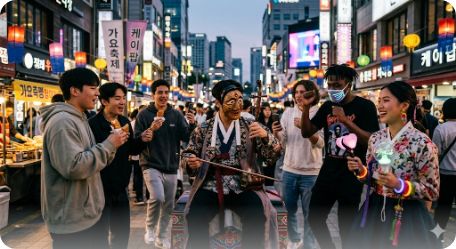
    There is a unique kind of culinary magic that happens on the street corners of South Korea. If you walk into any vibrant neighborhood as the sun begins to set, your senses will immediately be wrapped in the rich, sweet-and-spicy aroma of simmering sauces and freshly fried treats. This is the world of Bunsik (분식)—Korea’s beloved flour-based street food and snack culture.

    Far more than just quick, inexpensive bites to satisfy a late-night craving, these dishes represent the ultimate comfort food for millions of Koreans. Let’s dive into the delicious world of classic Korean street food and uncover why these humble snacks hold such a massive piece of the nation’s heart.

    The Story Behind the Dish: More Than Just Comfort Food

    To truly understand why Koreans are so fiercely passionate about bunsik, you have to look past the flavors and look at the memories. For locals, these foods are intimately tied to childhood nostalgia and community warmth.

    Take Gimbap (김밥), for instance. While it is a highly convenient, portable meal today, to any Korean, it tastes like a school field trip. For decades, school picnic mornings began with the comforting sound of a mother slicing freshly rolled gimbap in the kitchen, carefully wrapping it in aluminum foil so it would still taste like home by lunchtime.

    Similarly, snacks like Tteokkochi (떡꼬치—skewered rice cakes) hold the emotional blueprint of childhood innocence. Selling for pocket change right outside elementary school gates, these sweet, crispy skewers were the definitive reward at the end of a long school day, eagerly shared among friends on the walk home. Bunsik isn’t just about feeding the stomach; it’s about comforting the soul and remembering where you came from.

    The Street Food Superstars: Highlights from the Video

    Korean street food has an incredible lineup, but a few iconic staples truly define the experience. Here are the stars highlighted by HH Korean:

    1. Tteokbokki (떡볶이): The Fiery King of Street Food

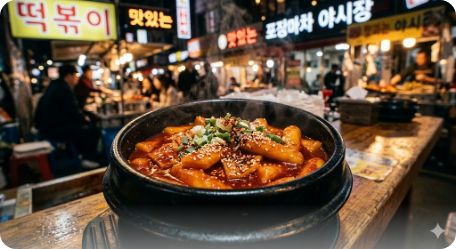
    You cannot talk about Korean street food without leading with tteokbokki. At its core, it features chewy rice cakes simmered in a dense, fiery gochujang (chili paste) sauce balanced with an addictive hint of sweetness that keeps you reaching for more. Traditional versions feature fish cakes (eomuk), boiled eggs, and onions. However, modern food culture has taken this classic to new heights. Today, it’s incredibly popular to customize your tteokbokki with indulgent toppings—most notably a thick blanket of melted cheese or savory mini sausages.

    2. Gimbap (김밥): The Perfect, Customizable Roll

    Gimbap is a beautiful harmony of seasoned rice and colorful ingredients wrapped tightly in a sheet of dried seaweed (gim). A standard roll features pickled radish (danmuji), egg, ham, cucumber, carrots, and a final glaze of aromatic sesame oil sprinkled with toasted sesame seeds. The beauty of gimbap lies in its versatility; change one ingredient, and you have an entirely new dish. Tuna gimbap (chamchi gimbap) and cheese gimbap are perpetual crowd favorites, though adding fresh, fragrant perilla leaves (kkaenip) gives it a distinctly gourmet, herbal lift.

    3. Tteokkochi & Sotteok-Sotteok: The Ultimate Skewers

    If you love textures, these are your holy grail. Tteokkochi takes soft rice cakes, threads them onto a skewer, pan-fries them until the exterior forms a shatteringly crisp crust, and slathers them in a sweet, sticky chili glaze. If you want to level up, look for Sotteok-Sotteok (소떡소떡)—a clever portmanteau of sausage (so) and rice cake (tteok). Alternating on the skewer, it gives you a perfect bite of savory meat and crispy, chewy carb in every single mouthful.

    4. Gimmari (김말이): The Crispy Sidekick

    No bunsik feast is complete without fried sides (ttigim), and Gimmari reigns supreme. This brilliant creation features savory glass noodles (dangmyeon) wrapped in seaweed, dipped in a light batter, and deep-fried to golden perfection. While incredible on its own, true street food connoisseurs know the golden rule: you must dip your hot gimmari straight into your leftover tteokbokki sauce. The crispy wrapper soaks up the spicy glaze, creating a flawless bite.

    The Ultimate Foodie Harmony

    What makes Korean street food so uniquely addictive is the ecosystem of how these dishes interact. They aren’t meant to be eaten in isolation. The spicy punch of tteokbokki acts as the canvas, the savory sesame notes of the gimbap cut through the heat, and the fried crunch of the gimmari texturally rounds out the entire meal. It is a casual, accessible symphony of flavors that proves you don’t need a white-tablecloth restaurant to experience culinary genius.

    So, the next time you spot a steaming red vat of tteokbokki or a freshly rolled cylinder of gimbap, remember that you aren’t just tasting food—you are participating in a living, breathing tradition of Korean comfort culture.

    Source:
    Watch the full video and practice your Korean listening skills here: HH Korean – (Beginner) Korean Short Story: EP2 Korean Street Food | Listening Podcast
    (Beginner) Korean Short Story: EP2 Korean Street Food | Listening Podcast
    HH Korean · 6.6천 조회수

  • The ‘K-Factor’ Formula: What Businesses Can Learn from the Rise of Hallyu

    The “K-Factor” Formula: Why South Korea is Winning the Global Heart

    If you’ve walked into a grocery store in London lately and seen a teenager debating the spice level of Buldak noodles, or noticed a high-end department store in New York dedicating an entire floor to “Glass Skin” serums, you’ve felt it. It’s the K-Factor.

    In his recent CNN series, Daniel Dae Kim peels back the curtain on why South Korea’s export isn’t just products—it’s an entire lifestyle. But for the business world, the real story isn’t just about catchy choruses or spicy snacks; it’s about a “rising from the ashes” blueprint that any industry can learn from.

    The “All-In” Mentality

    What most people miss is that Korea’s global dominance wasn’t an accident. It was a survival strategy. Rising from the devastation of war and a massive financial crisis in the late 90s, the nation pivoted to “Soft Power” as its primary resource.

    This birthed a hyper-competitive, fine-tuned formula. In K-pop, it’s the “trainee system”—a rigorous, multi-year process of refining talent until it’s world-class. In food, it’s the constant “Convenience Store Hack” culture, where brands innovate at lightning speed to satisfy a restless, trend-hungry public.

    Scaling the Soul

    How do you take something as hyper-local as Gochujang or a Korean-language thriller like Squid Game and make it a global necessity?

    Emotional Resonance over Language: Whether it’s the heartbreak in a K-drama or the comfort of a warm bowl of Tteokbokki, Korean creators focus on universal human feelings.

    Aesthetics as a Standard: In the “K-Formula,” “good enough” doesn’t exist. Packaging, cinematography, and presentation are treated with the same weight as the product itself.

    The Feedback Loop: Korean industries are obsessed with digital engagement. They don’t just talk to the audience; they build ecosystems where the audience feels like part of the brand’s success.

    The Takeaway

    The “K-Factor” proves that rapid scaling doesn’t require losing your soul. It requires a relentless pursuit of quality and a mindset that treats every product as a cultural bridge. South Korea didn’t just join the global market; they redefined the vibe of it.

    ‘K-팩터’ 공식: 한류의 비상에서 비즈니스가 배워야 할 것

    런던의 식료품점에서 불닭볶음면의 맵기를 진지하게 고민하는 10대를 보거나, 뉴욕의 고급 백화점 한 층 전체가 ‘유리알 피부(Glass Skin)’를 위한 세럼으로 채워진 것을 본 적이 있다면 당신은 이미 느끼고 있는 것입니다. 바로 ‘K-팩터(K-Factor)’의 힘이죠.

    최근 CNN 시리즈에서 대니얼 대 킴은 한국의 수출품이 단순한 ‘제품’을 넘어 하나의 ‘라이프스타일’이 된 이유를 파헤쳤습니다. 하지만 비즈니스 세계에서 진짜 주목해야 할 점은 중독성 있는 후렴구나 매콤한 간식 그 자체가 아닙니다. 바로 그 기저에 깔린, ‘무(無)에서 유(有)를 창조한’ 비즈니스 설계도입니다.

    ‘올인(All-In)’의 정신

    많은 이들이 간과하는 사실은 한국의 글로벌 장악이 결코 우연이 아니라는 점입니다. 그것은 일종의 생존 전략이었습니다. 전쟁의 폐허와 90년대 후반의 IMF 금융위기를 겪으며, 대한민국은 ‘소프트 파워’를 국가의 핵심 자원으로 선택했습니다.

    이 과정에서 지독하리만큼 경쟁적이고 정교한 공식이 탄생했습니다. K-팝의 ‘연습생 시스템’은 인재를 세계적인 수준으로 다듬기 위한 다년간의 혹독한 과정을 거칩니다. 식품 업계는 어떤가요? 매일같이 쏟아지는 ‘편의점 꿀조합’ 문화 속에서 브랜드들은 트렌드에 민감한 대중을 만족시키기 위해 빛의 속도로 혁신합니다.

    영혼을 확장하는 법

    고추장처럼 지극히 한국적인 식재료나, 한국어로 제작된 ‘오징어 게임’ 같은 스릴러가 어떻게 전 세계인의 필수 아이템이 되었을까요?

    언어를 넘어서는 감정의 공명: K-드라마 속의 가슴 아픈 이별이든, 따뜻한 떡볶이 한 그릇이 주는 위안이든, 한국의 크리에이터들은 보편적인 인간의 감정에 집중합니다.

    표준이 된 심미성: ‘K-공식’에 ‘적당히’란 없습니다. 패키징, 촬영 기법, 그리고 프리젠테이션은 제품 그 자체만큼이나 중요한 비중으로 다뤄집니다.

    실시간 피드백 루프: 한국의 산업은 디지털 소통에 집착할 만큼 진심입니다. 단순히 대중에게 메시지를 던지는 것이 아니라, 관객이 브랜드의 성공에 동참하고 있다고 느끼게 만드는 생태계를 구축합니다.

    비즈니스의 교훈

    ‘K-팩터’는 급격한 규모의 확장이 반드시 브랜드의 정체성(Soul)을 잃어야 함을 의미하지 않는다는 것을 증명합니다. 오히려 품질에 대한 끊임없는 집착, 그리고 모든 제품을 하나의 ‘문화적 가교’로 여기는 마인드셋이 필요하다는 것을 보여주죠. 한국은 단순히 글로벌 시장에 합류한 것이 아닙니다. 그들은 시장의 ‘분위기’ 자체를 재정의했습니다.

  • From Screen to Spoon: How ‘Culinary Class Wars’ Saved Korean Fine Dining

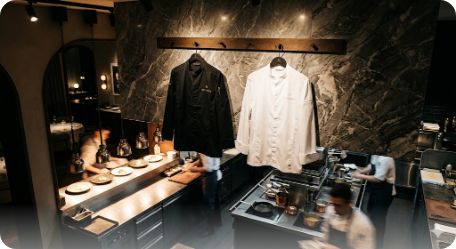
    Hello there, foodies and culture seekers! If you’ve been scrolling through your feed lately, you’ve likely seen the black-and-white chef jackets and high-stakes kitchen drama taking over the internet. I’m talking about Netflix’s Culinary Class Wars—the show that didn’t just capture our hearts; it literally rescued an entire industry.

    For years, the global image of Korean food was dominated by the sizzle of K-BBQ and the comforting spice of street food. While we love our tteokbokki, South Korea’s sophisticated fine dining scene was quietly struggling under a post-pandemic chill. But then, the “Black Spoons” met the “White Spoons,” and everything changed.

    The Great Reservation War

    The impact wasn’t just digital; it was economic. Almost overnight, the narrative shifted from “Where can I get cheap bibimbap?” to “How can I score a seat at a Michelin-starred table?” According to data from CatchTable (the go-to reservation app in Korea), searches for restaurants featured on the show skyrocketed by over 100%, with some lucky spots seeing a staggering 300% to 500% spike in bookings.

    We are witnessing a massive pivot toward Gourmet Tourism. Travelers aren’t just coming for the shopping in Myeongdong anymore; they are flying into Seoul specifically to experience the “culinary philosophy” of chefs like ‘Napoli Matfia’ or ‘Edward Lee.’ It’s no longer just a meal; it’s a pilgrimage.

    Why It Worked: The Human Element

    Why did this show move the needle when others failed? Because it humanized the “Fine” in Fine Dining. It stripped away the stuffiness and replaced it with raw passion, showing that behind every expensive plate is a story of grit, identity, and relentless perfectionism. By pitting underground legends against culinary icons, the show made high-end gastronomy feel accessible and, more importantly, exciting.

    The “CatchTable Effect” has become a lifeline for local restaurateurs. In a world where the hospitality industry was bracing for a downturn, Culinary Class Wars served up a masterclass in how entertainment can drive a real-world economic revival. So, if you’re planning a trip to Seoul, my advice is simple: may the Wi-Fi gods be with you, because getting a table is now the ultimate Olympic sport!

    안녕하세요, 맛을 사랑하고 문화를 즐기는 여러분! 최근 SNS를 넘겨보다가 흑백의 요리사 복장과 긴장감 넘치는 주방 드라마를 보신 적 있으시죠? 바로 넷플릭스의 <흑백요리사: 요리 계급 전쟁> 이야기입니다. 이 프로그램은 단순히 우리의 마음을 사로잡은 것을 넘어, 침체되었던 한국의 외식 산업을 통째로 구해냈다고 해도 과언이 아니에요.

    그동안 세계적으로 ‘K-푸드’ 하면 가장 먼저 떠오르는 건 지글지글 익어가는 K-바베큐나 매콤달콤한 길거리 음식이었습니다. 물론 떡볶이는 언제나 옳지만, 사실 한국의 정교한 파인 다이닝 씬은 팬데믹 이후 찾아온 불황으로 조용히 힘든 시기를 보내고 있었거든요. 하지만 ‘흑수저’와 ‘백수저’가 맞붙는 순간, 모든 것이 바뀌었습니다.

    거대한 ‘예약 전쟁’의 서막

    그 파급력은 단순히 온라인상의 화제에 그치지 않고 실질적인 경제 효과로 이어졌습니다. 하룻밤 사이에 사람들의 관심은 “저렴한 비빔밥 맛집이 어디야?”에서 “어떻게 하면 미슐랭 스타 셰프의 식당을 예약할 수 있지?”로 옮겨갔죠. 국내 대표 예약 플랫폼인 ‘캐치테이블’의 데이터에 따르면, 방송에 출연한 셰프들의 식당 검색량은 폭발적으로 증가했으며, 일부 인기 매장은 예약 건수가 300%에서 최대 500%까지 급증하는 기염을 토했습니다.

    우리는 지금 ‘미식 관광(Gourmet Tourism)’으로의 거대한 패러다임 변화를 목격하고 있습니다. 이제 여행객들은 단순히 명동에서 쇼핑하기 위해 한국을 찾지 않습니다. ‘나폴리 맛피아’나 ‘에드워드 리’ 같은 셰프들의 요리 철학을 직접 경험하기 위해 서울행 비행기에 몸을 싣습니다. 이제 식사는 단순한 끼니가 아니라 하나의 ‘성지순례’가 된 것이죠.

    왜 열광했을까: 요리에 담긴 인간적인 서사

    왜 유독 이 프로그램이 다른 요리 프로들을 제치고 시장을 움직였을까요? 그건 바로 ‘파인 다이닝’의 문턱을 낮추고 그 속에 담긴 ‘사람’을 보여주었기 때문입니다. 격식이라는 껍데기를 벗겨내고 그 자리에 뜨거운 열정을 채웠죠. 값비싼 접시 뒤에 숨겨진 셰프들의 끈기, 정체성, 그리고 완벽을 향한 집요함을 가감 없이 보여주었습니다. 재야의 고수들과 미식계의 거물들이 맞붙는 서사는 하이엔드 미식을 훨씬 더 친숙하고, 무엇보다 ‘짜릿하게’ 만들었습니다.

    ‘캐치테이블 효과’는 이제 지역 자영업자들에게 하나의 생명줄이 되었습니다. 외식업계가 불황을 대비하던 시기에, <흑백요리사>는 콘텐츠가 어떻게 실제 경제 부흥을 이끌 수 있는지 완벽한 본보기를 보여주었습니다. 그러니 혹시 서울 여행을 계획 중이시라면, 제 조언은 딱 하나입니다. “부디 와이파이 신의 가호가 함께하기를!” 이제 식당 예약은 그 어떤 경기보다 치열한 올림픽 종목이 되었으니까요.

  • Becoming a K-Food Expert: What You Need to Know About the New Sura School

    Have you ever wondered what it takes to master the soul of a culture? In Korea, food isn’t just fuel; it’s a language of affection, history, and seasonal wisdom. For a long time, if you were a chef outside of Korea wanting to learn the “real” secrets—the kind that go beyond a standard recipe card—you had to navigate a complex maze of private academies and visa hurdles.

    That is all about to change. Enter the Sura School.

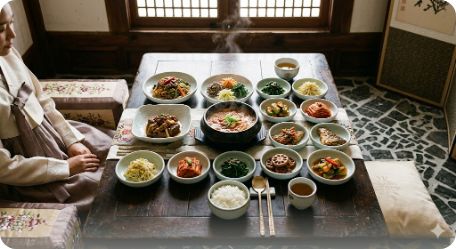
    The name itself carries weight. “Sura” refers to the royal table served to kings during the Joseon Dynasty. By naming this new national initiative the Sura School, South Korea isn’t just opening a cooking class; they are inviting the world to sit at the royal table.

    Here is why this is a game-changer for the global K-Food scene and how you can be part of it.

    More Than Just a Recipe: The Sura Curriculum

    The Sura School, backed by the Ministry of Agriculture, Food and Rural Affairs, is designed to bridge the gap between “enthusiast” and “expert.” It’s structured into two distinct tiers to meet chefs where they are:

    The General Course: Think of this as the ultimate deep dive into the foundations. It’s perfect for culinary students and working chefs who want to master the building blocks—fermentation, seasonal sourcing, and the traditional “Hansik” philosophy.

    The Premium Course: This is where the magic of “New Korean” cuisine happens. It’s designed for high-level professionals to learn from Michelin-starred masters and traditional grandmasters. It’s about taking those ancient flavors and elevating them for the global fine-dining stage.

    The “K-Chef” Visa: Your Golden Ticket

    Perhaps the most exciting part of this announcement isn’t the food itself, but the logistics. We all know that the biggest barrier to international study is the paperwork. To support the Sura School, the Korean government is introducing specialized visa incentives.

    These new measures are designed to make it significantly easier for talented foreign chefs to stay in Seoul, immerse themselves in the local food markets, and complete their training without the usual residency headaches. It’s a clear message: Korea wants you here.

    Why Now?

    The world has already fallen in love with Kimchi, Bibimbap, and K-BBQ. But the “K-Food 2.0” movement is about something deeper—authenticity and storytelling. The Sura School aims to create a global network of “K-Food Ambassadors” who don’t just know how to cook the food, but understand the why behind the fermentation and the story behind the spice.

    If you’ve ever dreamed of mastering the art of the Korean kitchen in the heart of Seoul, the gates of the Sura School are about to open. The royal table is being set—will you be there?

    K-푸드 전문가가 되는 길: 신설되는 ‘수라 학교’에 대해 알아야 할 모든 것

    문화의 영혼을 마스터하려면 무엇이 필요할까요? 한국에서 음식은 단순히 끼니를 채우는 수단이 아닙니다. 그것은 애정과 역사, 그리고 계절의 지혜를 담은 하나의 언어입니다. 그동안 한국 밖에서 활동하며 표준 레시피 그 이상의 ‘진짜’ 비결을 배우고 싶었던 셰프들에게, 한국 요리는 사설 학원과 복잡한 비자 문제라는 높은 장벽 너머의 영역이었습니다.

    하지만 이제 모든 것이 바뀌려 합니다. 바로 ‘수라 학교(Sura School)’의 등장입니다.

    ‘수라’라는 이름 자체가 가진 무게감이 남다릅니다. 조선 시대 왕에게 올리던 상차림인 ‘수라상’에서 따온 이름이죠. 이 새로운 국가적 프로젝트에 ‘수라’라는 이름을 붙인 것은, 대한민국이 단순히 요리 수업을 여는 것을 넘어 전 세계를 왕의 식탁으로 초대하겠다는 의지를 보여줍니다.

    이번 발표가 글로벌 K-푸드 씬의 게임 체인저가 될 이유와, 여러분이 어떻게 참여할 수 있는지 정리해 드립니다.

    레시피 그 이상을 배우다: 수라 커리큘럼

    농림축산식품부가 지원하는 수라 학교는 ‘애호가’와 ‘전문가’ 사이의 간극을 메우기 위해 설계되었습니다. 셰프들의 숙련도에 따라 두 가지 차별화된 과정을 제공합니다.

    일반 과정 (General Course): 한국 요리의 기초를 깊이 있게 파고드는 과정입니다. 발효, 제철 식재료 수급, 그리고 전통 ‘한식’ 철학 등 기본기를 마스터하려는 조리학도와 현직 셰프들에게 최적화되어 있습니다.

    프리미엄 과정 (Premium Course): ‘뉴 코리안(New Korean)’ 퀴진의 마법이 일어나는 곳입니다. 미쉐린 스타 셰프나 전통 식품 명인들로부터 직접 배울 수 있는 고위 전문가 과정으로, 고전적인 맛을 글로벌 파인 다이닝 수준으로 승화시키는 법을 다룹니다.

    ‘K-셰프’ 비자: 당신의 골든 티켓

    이번 발표에서 가장 흥미로운 점은 음식이 아니라 ‘행정적 지원’에 있습니다. 해외 연수에서 가장 큰 걸림돌이 서류 작업이라는 점은 누구나 공감할 것입니다. 수라 학교를 뒷받침하기 위해 한국 정부는 외국인 요리사를 위한 특화된 비자 인센티브를 도입할 예정입니다.

    이 새로운 조치들은 재능 있는 외국인 셰프들이 서울에 머물며 현지 시장을 직접 경험하고, 거주 문제에 대한 고민 없이 교육에 집중할 수 있도록 돕기 위해 고안되었습니다. “한국은 여러분을 환영합니다”라는 명확한 메시지를 던진 셈이죠.

    왜 지금일까요?

    전 세계는 이미 김치, 비빔밥, K-바비큐와 사랑에 빠졌습니다. 하지만 ‘K-푸드 2.0’ 운동은 그보다 더 깊은 곳, 즉 ‘정통성’과 ‘스토리텔링’을 향하고 있습니다. 수라 학교의 목표는 단순히 요리법을 아는 사람이 아니라, 발효의 ‘이유’와 양념에 담긴 ‘이야기’를 이해하는 글로벌 ‘K-푸드 앰배서더’를 육성하는 것입니다.

    서울의 심장부에서 한국 주방의 예술을 마스터하는 꿈을 꿔왔다면, 이제 수라 학교의 문이 열릴 차례입니다. 왕의 식탁은 이미 차려지고 있습니다. 당신도 그 자리에 함께하시겠어요?

  • Beyond the Heat: The Three Pillars of a Master-Level Tteokbokki

    Beyond the Heat: The Three Pillars of a Master-Level Tteokbokki

    If you’ve ever wandered the neon-lit alleys of Seoul at 2 AM, you know that Tteokbokki isn’t just a snack—it’s a mood. It’s the ultimate Korean soul food, bridging the gap between childhood nostalgia and late-night cravings. But have you ever wondered why the version you make at home often feels like “spicy soup with rice cakes,” while the Ajumma at the street stall serves up a glossy, syrupy masterpiece that clings to your soul?

    The secret isn’t just adding more Gochujang. To graduate from a casual cook to a Tteokbokki master, you need to master the three hidden pillars of the craft.

    1. The Soul of the Sauce: The Yuksu Secret

    Most beginner recipes start with plain water. That’s your first mistake. Authentic Tteokbokki relies on Yuksu (anchovy and kelp stock). This isn’t about making the dish taste like fish; it’s about building a foundation of umami. The dried anchovies provide depth, while the kombu (kelp) adds a natural glutamic acid that rounds out the sharp heat of the chili. Without this base, your sauce will taste one-dimensional and “thin.”

    2. The Science of the Soak: Texture is King

    We’ve all been there—biting into a rice cake that’s either rock-hard in the center or unpleasantly mushy. Master-level Tteokbokki requires a 10-minute cold water soak. This isn’t just for cleaning; it rehydrates the surface of the starch, ensuring that when it hits the boiling sauce, it cooks evenly and releases just enough starch to thicken the liquid.

    Expert Tip: The goal is Chewy-Soft (쫀득쫀득 – Jjondeuk-jjondeuk). If your rice cakes are frozen, this step is non-negotiable to prevent them from cracking under the heat.

    3. The “Reduction” Ritual: Patience Over Fire

    The biggest difference between “home-style” and “street-style” is the glaze. Street vendors simmer their Tteokbokki in massive flat pans for hours. At home, you can replicate this by mastering the simmering time.

    You aren’t just boiling rice cakes; you are waiting for the “glossy transformation.” As the water evaporates and the starch from the cakes marries with the sugar and Gochugaru (red chili flakes), the sauce transforms into a thick, velvety reduction. This is when the magic happens—the sauce stops being a liquid and starts becoming a coat of armor for the rice cakes.

    매운맛 그 이상: 명품 떡볶이를 완성하는 세 가지 기둥

    서울의 밤거리를 거닐어 본 적이 있다면, 떡볶이가 단순한 간식이 아니라는 걸 잘 아실 겁니다. 떡볶이는 어린 시절의 향수와 심야의 허기를 달래주는 한국인의 진정한 ‘소울 푸드’죠. 그런데 왜 집에서 만들면 그냥 ‘매운 국물에 빠진 떡’ 같은데, 길거리 포장마차 아주머니가 주시는 떡볶이는 영혼까지 사로잡는 꾸덕하고 윤기 흐르는 예술 작품 같은 걸까요?

    비결은 단순히 고추장을 더 넣는 것이 아닙니다. 초보 요리사에서 떡볶이 장인으로 거듭나기 위해 반드시 알아야 할 세 가지 숨겨진 기둥을 소개합니다.

    1. 소스의 영혼: 육수의 비밀

    대부분의 초보자용 레시피는 맹물로 시작합니다. 여기서부터 첫 번째 실수가 발생하죠. 진정한 떡볶이의 맛은 육수(멸치 다시마 육수)에서 결정됩니다. 이건 요리에서 생선 맛을 내기 위함이 아니라, ‘감칠맛’의 토대를 쌓는 작업입니다. 말린 멸치는 맛의 깊이를 더하고, 다시마는 천연 글루탐산을 방출해 고춧가루의 날카로운 매운맛을 부드럽게 감싸 안아줍니다. 육수가 없다면 소스는 깊이 없이 가볍고 겉도는 맛이 납니다.

    2. 불림의 미학: 식감이 곧 생명

    속은 딱딱하거나 겉은 너무 퍼져버린 식감 없는 떡볶이를 먹어본 적이 있을 겁니다. 장인급 떡볶이를 만들려면 10분간 찬물에 불리는 과정이 필수입니다. 이는 단순히 떡을 씻는 과정이 아닙니다. 전분 표면에 수분을 공급해, 끓는 소스에 들어갔을 때 떡이 고르게 익도록 돕고, 소스를 걸쭉하게 만들 적당량의 전분을 내뱉도록 준비하는 과정이죠.

    전문가의 팁: 목표는 ‘쫀득쫀득’한 식감입니다. 특히 냉동 떡을 사용한다면, 열기 때문에 떡이 갈라지는 것을 방지하기 위해 이 과정은 절대 생략해서는 안 됩니다.

    3. 졸임의 의식: 불보다 중요한 기다림

    집 떡볶이와 시장 떡볶이의 가장 큰 차이는 바로 ‘윤기’입니다. 노련한 상인들은 넓은 철판 위에서 떡볶이를 오랫동안 은근하게 졸입니다. 집에서도 이 맛을 재현하려면 졸이는 시간을 완벽히 조절해야 합니다.

    단순히 떡을 익히는 것이 아니라 ‘윤기 나는 변신’을 기다려야 합니다. 수분이 증발하고 떡에서 나온 전분이 설탕, 고춧가루와 만나면 소스는 두껍고 벨벳처럼 부드러운 상태로 변합니다. 이때 마법이 일어납니다. 소스가 단순한 액체를 넘어 떡을 빈틈없이 감싸는 ‘맛의 코팅’이 되는 순간이죠.

  • The Science of the Crunch: Why Korean Fried Chicken Rules ASMR

    The Science of the Crunch: Why Korean Fried Chicken Rules ASMR

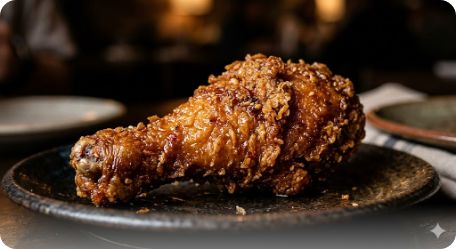
    If you’ve ever fallen down a late-night YouTube rabbit hole, you’ve likely encountered it: the close-up shot of a golden, craggy drumstick, followed by a sound so sharp it feels like a physical sensation. That’s the “KFC” (Korean Fried Chicken) effect. While fried chicken is a global language, the Korean variety has become the undisputed heavyweight champion of the ASMR world.

    But why? It’s not just luck; it’s a masterpiece of culinary engineering.

    The Double-Fry: The Secret to the “Glass” Shell

    Most fried chicken relies on a thick, bready crust. Korean Fried Chicken, however, is famous for its thin, crackly, almost parchment-like skin. This is achieved through the double-fry method.

    The first fry is about the soul—it cooks the meat and renders out the fat from the skin. After a brief rest, it dives back into the bubbling oil for a second round. This second pass evaporates every last molecule of moisture from the crust. In physics terms, we’re creating a dehydrated, rigid structure that doesn’t just crumble; it shatters. This “shatter” is what produces those high-frequency acoustic peaks that send tingles down an ASMR listener’s spine.

    The Starch Revolution

    While many western recipes use wheat flour, the secret weapon in the Korean kitchen is often potato or corn starch. Starch granules behave differently than flour; when fried, they create a microscopic network of air pockets.

    When you bite into a starch-based batter, you aren’t just breaking one solid wall; you are collapsing thousands of tiny, brittle domes. Each collapse creates a miniature “pop.” When multiplied by a mouthful, you get a rhythmic, cascading soundscape that microphones—and our brains—absolutely crave.

    The “Thin-Crust” Philosophy

    In Korea, the goal isn’t to hide the chicken under a mountain of dough. It’s about a delicate, translucent glaze. Whether it’s a soy-garlic lacquer or a spicy gochujang coat, the sauce is applied in a way that preserves the crunch. Because the skin is so dehydrated from the double-fry, it resists getting soggy, allowing that “crunch” to remain audible even under a layer of sticky, delicious sauce.

    It’s a sensory bridge between taste and sound. We don’t just eat Korean Fried Chicken; we experience the physics of the perfect crunch.

    크런치 과학: 한국 치킨이 ASMR 세계를 정복한 이유

    늦은 밤 유튜브의 알고리즘을 따라가다 보면 한 번쯤은 마주치게 되는 장면이 있습니다. 황금빛의 울퉁불퉁한 닭다리가 화면을 꽉 채우고, 뒤이어 고막을 때리는 날카롭고 경쾌한 소리. 바로 ‘K-치킨’ 효과입니다. 프라이드치킨은 전 세계 공통어라지만, 유독 한국식 치킨은 ASMR 세계에서 독보적인 챔피언 자리를 지키고 있죠.

    도대체 왜일까요? 이건 단순히 운이 좋아서가 아닙니다. 철저히 계산된 요리 공학의 걸작이기 때문입니다.

    겉바속촉의 정점, ‘더블 프라이’의 마법

    보통의 프라이드치킨이 두툼하고 빵 같은 튀김옷에 집중한다면, 한국식 치킨은 얇고 바삭하며 마치 종이처럼 파스스 부서지는 껍질로 유명합니다. 이 비밀은 바로 ‘두 번 튀기기(Double-fry)’ 공법에 있습니다.

    첫 번째 튀김이 고기를 익히고 껍질의 지방을 빼내는 ‘영혼’을 만드는 과정이라면, 잠시 휴식을 거친 뒤 다시 끓는 기름에 들어가는 두 번째 과정은 ‘완성’입니다. 이 과정에서 튀김옷의 마지막 수분 한 방울까지 증발하게 되죠. 물리학적으로 보자면, 단순히 뭉개지는 것이 아니라 ‘산산조각이 나는’ 탈수된 단단한 구조를 만드는 것입니다. 이 ‘파편화’되는 소리가 ASMR 시청자들의 뇌를 자극하는 고주파의 음향적 절정을 만들어냅니다.

    전분의 혁명

    서양식 레시피가 주로 밀가루를 사용하는 것과 달리, 한국 주방의 비밀 병기는 감자 전분이나 옥수수 전분입니다. 전분 입자는 밀가루와 다르게 반응합니다. 기름에 튀겨지면 미세한 공기층을 형성하죠.

    전분 기반의 튀김옷을 베어 물 때, 우리는 단순히 하나의 벽을 부수는 게 아니라 수천 개의 작고 부서지기 쉬운 돔(dome)을 무너뜨리는 것과 같습니다. 각각의 돔이 무너질 때마다 미세한 ‘팝’ 소리가 나고, 이것이 한 입 가득 모이면 마이크와 우리 뇌가 열광하는 리듬감 있고 폭포수 같은 소리 풍경이 완성됩니다.

    ‘얇은 튀김옷’의 철학

    한국 치킨의 목표는 닭고기를 밀가루 반죽 산 아래 숨기는 것이 아닙니다. 핵심은 섬세하고 투명한 코팅에 있습니다. 간장 마늘 소스든 매콤한 고추장 양념이든, 바삭함을 유지하도록 소스를 얇게 입힙니다. 두 번 튀겨내어 수분이 완전히 제거된 껍질은 양념 아래에서도 눅눅해지지 않고 버팁니다. 덕분에 끈적하고 맛있는 소스 층 아래에서도 여전히 경쾌한 ‘바삭’ 소리가 살아있는 것이죠.

    이것은 맛과 소리 사이의 감각적 가교입니다. 우리는 단순히 한국 치킨을 먹는 것이 아니라, 완벽한 크런치가 만들어내는 물리학을 경험하는 셈입니다.

  • Breaking the Visa Barrier: Your Ultimate Guide to Studying Culinary Arts in Korea

    Have you ever found yourself hunched over a bowl of spicy ramyun at 2 AM, wondering how a simple combination of fermented paste and heat could taste so much like a warm hug? Or perhaps you’ve watched a K-Drama and felt that deep, inexplicable urge to master the art of the perfect banchan spread?

    If you’ve dreamed of trading your apron for a professional chef’s coat in the heart of Seoul, I have some mouth-watering news for you. The “Visa Barrier” that once stood between you and a professional Korean culinary education is officially crumbling.

    The Secret Ingredient: Why Now?

    For a long time, mastering Korean cuisine meant either scouring YouTube for grandmas’ secrets or navigating a maze of complicated student visas that didn’t quite fit the life of a culinary trainee. But the world has fallen in love with Hansik (Korean food), and the Korean government has finally decided to open the kitchen doors wide.

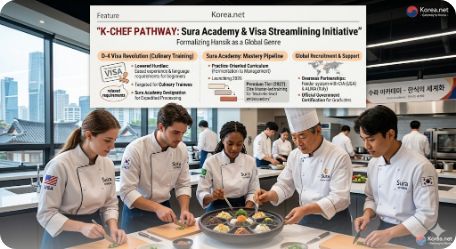
    Under a new initiative highlighted by Korea.net, the government is streamlining visa regulations specifically for international students who want to specialize in Korean arts and cuisine. They aren’t just looking for tourists anymore; they are looking for the next generation of global ambassadors for the Kimchi revolution.

    More Than Just a Recipe

    What makes this program so special? It’s not just about learning how many grams of gochugaru go into a stew. It’s about Certified Credibility.

    By training at government-certified culinary schools in Korea, students can now access specialized recruitment channels. Imagine finishing your course and having the Korean Cultural Center in your home country help bridge the gap between your new skills and a high-end career. This isn’t just a cooking class; it’s a career fast-track.

    The vision is simple: to turn the “K-Food craze” into a sustainable global craft. Whether you want to open a fusion bistro in Paris or become a fermentation specialist in New York, the training you get on-site in Korea is the ultimate “Gold Seal” on your resume.

    The Story in Every Bite

    Why do people love this? Because Korean food is storytelling at its finest. Every fermented jar of jang tells a story of patience, and every communal jeon-gol tells a story of “Jeong” (affection and connection). By easing these visa hurdles, Korea is inviting you to not just eat the food, but to become part of the narrative.

    So, are you ready to sharpen your knives? The kitchen is prepped, the visas are ready, and your seat at the table is waiting.

    2 AM에 매콤한 라면 한 그릇을 앞에 두고, 발효된 장과 불맛의 조화가 어떻게 이렇게 따뜻한 위로가 되는지 궁금해본 적 있으신가요? 혹은 K-드라마를 보다가 완벽한 ‘반찬’ 한 상을 직접 차려보고 싶다는 강렬한 열망을 느껴본 적은요?

    서울의 심장부에서 앞치마를 전문 셰프복으로 갈아입기를 꿈꿔왔던 분들이라면, 지금 바로 주목해 주세요. 여러분과 전문적인 한국 요리 교육 사이를 가로막던 ‘비자의 장벽’이 드디어 무너지고 있다는 반가운 소식입니다.

    비장의 카드: 왜 지금일까요?

    그동안 한국 요리를 제대로 배우려면 유튜브에서 할머니들의 비법을 찾아 헤매거나, 요리 연수생의 상황에 딱 맞지 않는 복잡한 유학 비자 절차를 견뎌야 했습니다. 하지만 전 세계가 ‘한식’의 매력에 푹 빠지게 되면서, 한국 정부가 마침내 주방 문을 활짝 열기로 했습니다.

    Korea.net이 소개한 새로운 정책에 따르면, 한국 예술과 요리를 전공하고자 하는 외국인 학생들을 위해 비자 규정이 대폭 완화됩니다. 이제 한국은 단순히 구경만 하고 가는 관광객이 아니라, ‘김치 레볼루션’을 이끌 차세대 글로벌 홍보대사를 기다리고 있습니다.

    레시피, 그 이상의 가치

    이 프로그램이 특별한 이유는 무엇일까요? 단순히 찌개에 고춧가루를 몇 그램 넣는지 배우는 데 그치지 않기 때문입니다. 핵심은 바로 ‘정부 인증의 신뢰성’입니다.

    한국 정부가 인증한 요리 학교에서 교육을 받으면, 이제 특화된 채용 경로를 이용할 수 있게 됩니다. 과정을 마친 후 본국에 있는 한국문화원을 통해 여러분의 실력을 발휘할 수 있는 하이엔드 커리어로 연결되는 모습을 상상해 보세요. 이것은 단순한 요리 수업이 아니라, 커리어를 위한 ‘고속도로’입니다.

    비전은 명확합니다. 일시적인 ‘K-푸드 열풍’을 지속 가능한 글로벌 장인 정신으로 바꾸는 것이죠. 파리에서 퓨전 비스트로를 열고 싶든, 뉴욕에서 발효 전문가가 되고 싶든, 한국 현지에서 받는 트레이닝은 여러분의 이력서에 가장 빛나는 ‘골드 실(Gold Seal)’이 될 것입니다.

    한 입에 담긴 이야기

    사람들이 왜 이토록 열광할까요? 한국 음식은 그 자체로 가장 멋진 스토리텔링이기 때문입니다. 숙성되는 장독대 하나하나에는 기다림의 미학이, 함께 나누는 전골 한 그릇에는 ‘정(情)’이 담겨 있습니다. 비자 장벽을 낮춤으로써, 한국은 여러분이 음식을 먹는 것을 넘어 그 이야기의 주인공이 되기를 제안하고 있습니다.

    자, 이제 칼을 갈 준비가 되셨나요? 주방은 세팅되었고, 비자도 준비되었습니다. 이제 여러분의 자리가 기다리고 있습니다.

  • The Science of the Crunch: Why the World is Obsessed with Double-Fried Chicken

    The Science of the Crunch: Why the World is Obsessed with Double-Fried Chicken

    If you’ve ever stood on a street corner in Seoul or a trendy neighborhood in New York, you’ve likely smelled it: that intoxicating, savory-sweet aroma of Korean Fried Chicken (KFC). But what makes this “other” KFC a global obsession isn’t just the sauce—it’s the physics of the crunch. While Western fast-food giants often rely on thick, bready batters that sit under heat lamps, Korean fried chicken is an artisanal pursuit of the perfect crisp.

    The Physics of the Double-Fry
    The secret to that signature glass-like skin lies in the “Double-Fry” technique. The first dip in the oil is about the foundation; it cooks the meat through and gently coaxes the moisture out of the skin. After a brief rest, the chicken dives back into the bubbling oil for a high-heat finish. This second fry renders out the remaining fat and transforms the thin, starch-based coating into a shatter-crisp shell. It’s not just “crunchy”—it’s a structural masterpiece that remains crisp even thirty minutes after leaving the kitchen.

    The Glaze That Conquered the Globe
    Then, there is the Yangnyeom. Born in the 1980s as a way to keep chicken palatable even when cold, this iconic sweet-and-spicy glaze is a masterclass in balance. By combining gochujang (fermented chili paste), garlic, sugar, and various secret additions, Korean chefs created a sauce that clings to the ridges of the chicken without making it soggy. Unlike the heavy, vinegar-forward buffalo sauces of the West, yangnyeom offers a complex, umami-rich depth that keeps people coming back for “just one more wing.”

    Cooked-to-Order: The Premium Philosophy
    What truly sets Korean chicken apart is the philosophy of patience. In a world of “grab-and-go” heat lamps, Korean shops operate on a “cooked-to-order” mandate. You might wait 20 minutes for your box, but that wait is a promise of quality. Each piece is hand-painted with sauce using a brush to ensure the perfect ratio, rather than being tossed in a bowl. It is this transition from “fast food” to “premium soul food” that has allowed Korean fried chicken to dominate global culinary trends, proving that sometimes, the best things come to those who wait—and those who appreciate a legendary crunch.

    바삭함의 미학: 전 세계가 ‘두 번 튀긴’ 한국식 치킨에 열광하는 이유

    서울의 어느 골목이나 뉴욕의 힙한 거리를 걷다 보면, 코끝을 자극하는 달콤하고 고소한 향기를 맡게 됩니다. 바로 한국식 양념치킨(KFC)의 향기죠. 하지만 이 “또 다른 KFC”가 전 세계적인 신드롬을 일으킨 비결은 단순히 소스 때문만이 아닙니다. 그 핵심은 바로 ‘바삭함의 물리학’에 있습니다. 서구의 패스트푸드 거물들이 미리 튀겨놓은 두꺼운 밀가루 반죽에 의존할 때, 한국식 치킨은 완벽한 질감을 찾아가는 장인 정신의 결과물로 거듭났습니다.

    두 번 튀김의 물리학
    유리창처럼 얇고 바삭하게 깨지는 껍질의 비밀은 ‘두 번 튀기기’ 기술에 있습니다. 기름 속에 처음 들어갈 때는 기초를 다지는 단계입니다. 고기를 속까지 익히면서 껍질의 수분을 부드럽게 끌어냅니다. 잠시 휴식을 거친 치킨은 다시 고온의 기름 속으로 뛰어들어 화려한 피날레를 장식합니다. 이 두 번째 튀김 과정에서 남은 지방이 빠져나가고, 전분 중심의 얇은 튀김옷은 마치 조각 같은 바삭한 껍질로 변모합니다. 단순히 ‘딱딱한’ 것이 아니라, 주방을 나선 지 30분이 지나도 그 구조적인 바삭함이 유지되는 경이로운 식감을 만들어내는 것이죠.

    세계를 사로잡은 ‘양념’의 마법
    그다음은 바로 ‘양념’입니다. 1980년대 식어도 맛있는 치킨을 고민하던 중 탄생한 이 매콤달콤한 소스는 균형미의 정수를 보여줍니다. 고추장, 마늘, 설탕, 그리고 각자의 비밀 재료가 어우러진 이 소스는 튀김옷의 굴곡 사이사이에 착 달라붙으면서도 결코 눅눅하게 만들지 않습니다. 서구의 식초 맛이 강한 버팔로 소스와 달리, 한국의 양념은 깊은 감칠맛(Umami)을 품고 있어 “딱 한 조각만 더”를 외치게 만드는 중독성을 자랑합니다.

    주문 즉시 조리: 프리미엄의 철학
    한국 치킨을 진정으로 특별하게 만드는 것은 ‘기다림의 철학’입니다. 미리 튀겨놓고 보온등 아래 보관하는 ‘패스트푸드’ 세상에서, 한국 치킨집들은 ‘주문 즉시 조리’ 원칙을 고수합니다. 상자를 받기까지 20분을 기다려야 할 수도 있지만, 그 기다림은 곧 품질에 대한 약속입니다. 소스를 양동이에 넣고 버무리는 대신 붓으로 한 조각 한 조각 정성스럽게 바르는 공정은 완벽한 비율을 보장합니다. ‘패스트푸드’에서 ‘프리미엄 소울 푸드’로의 이러한 격상은 한국식 치킨이 글로벌 미식 트렌드를 주도하게 된 원동력이 되었습니다. 최고의 결과물은 기다림을 아는 자, 그리고 전설적인 바삭함을 즐길 줄 아는 자에게 찾아온다는 것을 증명하면서 말이죠.

  • From Side Dish to Center Stage: The Kimchi Effect on American Wellness

    From Side Dish to Center Stage: The Kimchi Effect on American Wellness

    Not too long ago, kimchi was the “hidden” jar in the back of the fridge—the pungent, bubbling secret of Korean households that occasionally raised eyebrows among uninitiated neighbors. Fast forward to today, and you’ll find those same jars sitting proudly in the refrigerated aisles of Whole Foods and stacked in massive twin-packs at Costco.

    So, how did a traditional fermented side dish become the poster child for the American “gut health” revolution?

    The Glow-Up of the Century

    The American wellness scene has undergone a massive shift. We’ve moved past the era of “fat-free” and “low-calorie” and entered the age of functional food. Today’s health-conscious consumers aren’t just looking to be full; they’re looking for “living” food.

    Enter Kimchi. To the global palate, it’s no longer just a spicy accompaniment to BBQ; it’s a probiotic powerhouse. The narrative has shifted from “that strong-smelling cabbage” to “the ultimate superfood for microbiome diversity.” When scientists started linking gut health to everything from mental clarity to glowing skin, Korea’s national dish was ready for its close-up.

    The “Costco Effect” and Mainstream Magic

    The real magic happened when Korean food stopped being a “niche” ethnic craving and started being a lifestyle choice. Brands have leaned into the storytelling of fermentation as a slow-art form. In the U.S., kimchi isn’t just eaten with rice anymore. It’s being topped on avocado toast, folded into scrambled eggs, and even served alongside grilled cheese sandwiches.

    This “Kimchi Effect” has paved the way for other Korean staples. Gochujang is the new Sriracha, and seaweed snacks have replaced potato chips in school lunchboxes. Americans have fallen in love with the Korean philosophy of yak-sik-dong-won (약식동원)—the belief that food and medicine grow from the same root.

    Why We’re Obsessed

    Beyond the vitamins and lactobacillus, people love the soul of Korean food. In a world of over-processed snacks, the deep, complex tang of well-aged kimchi feels honest. It’s a taste that requires time, patience, and a bit of nature’s magic.

    Next time you see a massive jar of kimchi in a suburban American supermarket, remember: it’s not just a trend. It’s a global acknowledgment that the best way to stay well is to eat something that’s truly alive.

    밑반찬에서 주연으로: 미국 웰니스 시장에 몰아친 ‘김치 효과’

    불과 얼마 전까지만 해도 김치는 냉장고 깊숙이 숨겨진 ‘비밀’ 같은 존재였습니다. 한국인들에게는 소중한 보물이지만, 익숙하지 않은 이웃들에게는 낯선 냄새를 풍기는 발효 식품이었죠. 하지만 지금은 어떤가요? 미국 홀푸드(Whole Foods) 냉장고 명당자리를 차지하고, 코스트코(Costco)에서는 거대한 트윈 팩으로 팔려 나가는 ‘슈퍼스타’가 되었습니다.

    전통적인 밑반찬이었던 김치가 어떻게 미국인들의 ‘장 건강’ 혁명을 이끄는 아이콘이 되었을까요? 그 흥미로운 이야기를 들려드릴게요.

    세기의 이미지 변신

    미국의 웰니스 트렌드는 큰 변화를 맞이했습니다. ‘무지방’이나 ‘저칼로리’에 집착하던 시대를 지나, 이제는 ‘기능성 식품(Functional Food)’의 시대가 왔거든요. 요즘의 건강 트렌드 세터들은 단순히 배를 채우는 음식이 아니라, 내 몸을 변화시키는 ‘살아있는’ 음식을 찾습니다.

    여기서 김치가 등장합니다. 이제 세계인의 입맛에 김치는 단순히 고기 먹을 때 곁들이는 매콤한 반찬이 아닙니다. 유산균이 가득한 ‘프로바이오틱스의 보고’죠. “냄새가 강한 채소 요리”라는 편견은 사라지고, “장내 미생물 생태계를 위한 최고의 슈퍼푸드”라는 찬사가 그 자리를 대신했습니다. 장 건강이 정신 맑음과 피부 광채에 직결된다는 사실이 알려지면서, 한국의 소울 푸드인 김치는 화려한 조명을 받게 되었습니다.

    ‘코스트코 효과’와 주류 시장의 마법

    진정한 변화는 한국 음식이 특정 소수만 즐기는 ‘이색 음식’을 넘어 하나의 라이프스타일로 자리 잡으면서 시작되었습니다. 브랜드들은 발효를 ‘느림의 미학’이 담긴 예술로 스토리텔링하기 시작했죠. 이제 미국에서 김치는 밥하고만 먹는 게 아닙니다. 아보카도 토스트 위에 올라가고, 스크램블 에그 속에 섞이며, 심지어 치즈 토스트의 느끼함을 잡아주는 완벽한 파트너가 되었습니다.

    이러한 ‘김치 효과’는 다른 한국 식재료들의 길도 열어주었습니다. 고추장은 ‘제2의 스리라차’가 되었고, 김 스낵은 아이들의 도시락에서 감자칩을 밀어냈습니다. 미국인들이 한국의 ‘약식동원(藥食同源)’ 정신, 즉 ‘음식과 약은 그 뿌리가 같다’는 철학에 매료된 것이죠.

    우리가 김치에 열광하는 이유

    비타민과 유산균 때문만은 아닙니다. 사람들은 한국 음식에 담긴 ‘정서(Soul)’를 사랑합니다. 가공식품이 넘쳐나는 세상에서, 잘 익은 김치가 주는 깊고 복합적인 풍미는 신뢰를 줍니다. 시간과 정성, 그리고 자연의 마법이 빚어낸 정직한 맛이니까요.

    이제 미국의 평범한 마트에서 커다란 김치통을 마주친다면 기억해 주세요. 이건 단순한 유행이 아닙니다. 건강해지는 가장 좋은 방법은 ‘살아있는 음식’을 먹는 것이라는 사실을 전 세계가 인정하기 시작했다는 증거니까요.