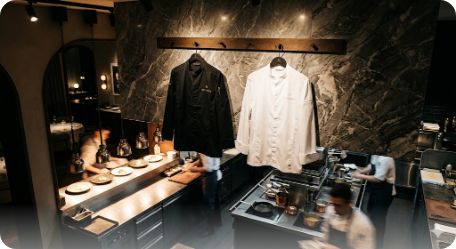
Hello there, foodies and culture seekers! If you’ve been scrolling through your feed lately, you’ve likely seen the black-and-white chef jackets and high-stakes kitchen drama taking over the internet. I’m talking about Netflix’s Culinary Class Wars—the show that didn’t just capture our hearts; it literally rescued an entire industry.
For years, the global image of Korean food was dominated by the sizzle of K-BBQ and the comforting spice of street food. While we love our tteokbokki, South Korea’s sophisticated fine dining scene was quietly struggling under a post-pandemic chill. But then, the “Black Spoons” met the “White Spoons,” and everything changed.
The Great Reservation War
The impact wasn’t just digital; it was economic. Almost overnight, the narrative shifted from “Where can I get cheap bibimbap?” to “How can I score a seat at a Michelin-starred table?” According to data from CatchTable (the go-to reservation app in Korea), searches for restaurants featured on the show skyrocketed by over 100%, with some lucky spots seeing a staggering 300% to 500% spike in bookings.
We are witnessing a massive pivot toward Gourmet Tourism. Travelers aren’t just coming for the shopping in Myeongdong anymore; they are flying into Seoul specifically to experience the “culinary philosophy” of chefs like ‘Napoli Matfia’ or ‘Edward Lee.’ It’s no longer just a meal; it’s a pilgrimage.
Why It Worked: The Human Element
Why did this show move the needle when others failed? Because it humanized the “Fine” in Fine Dining. It stripped away the stuffiness and replaced it with raw passion, showing that behind every expensive plate is a story of grit, identity, and relentless perfectionism. By pitting underground legends against culinary icons, the show made high-end gastronomy feel accessible and, more importantly, exciting.
The “CatchTable Effect” has become a lifeline for local restaurateurs. In a world where the hospitality industry was bracing for a downturn, Culinary Class Wars served up a masterclass in how entertainment can drive a real-world economic revival. So, if you’re planning a trip to Seoul, my advice is simple: may the Wi-Fi gods be with you, because getting a table is now the ultimate Olympic sport!
안녕하세요, 맛을 사랑하고 문화를 즐기는 여러분! 최근 SNS를 넘겨보다가 흑백의 요리사 복장과 긴장감 넘치는 주방 드라마를 보신 적 있으시죠? 바로 넷플릭스의 <흑백요리사: 요리 계급 전쟁> 이야기입니다. 이 프로그램은 단순히 우리의 마음을 사로잡은 것을 넘어, 침체되었던 한국의 외식 산업을 통째로 구해냈다고 해도 과언이 아니에요.
그동안 세계적으로 ‘K-푸드’ 하면 가장 먼저 떠오르는 건 지글지글 익어가는 K-바베큐나 매콤달콤한 길거리 음식이었습니다. 물론 떡볶이는 언제나 옳지만, 사실 한국의 정교한 파인 다이닝 씬은 팬데믹 이후 찾아온 불황으로 조용히 힘든 시기를 보내고 있었거든요. 하지만 ‘흑수저’와 ‘백수저’가 맞붙는 순간, 모든 것이 바뀌었습니다.
거대한 ‘예약 전쟁’의 서막
그 파급력은 단순히 온라인상의 화제에 그치지 않고 실질적인 경제 효과로 이어졌습니다. 하룻밤 사이에 사람들의 관심은 “저렴한 비빔밥 맛집이 어디야?”에서 “어떻게 하면 미슐랭 스타 셰프의 식당을 예약할 수 있지?”로 옮겨갔죠. 국내 대표 예약 플랫폼인 ‘캐치테이블’의 데이터에 따르면, 방송에 출연한 셰프들의 식당 검색량은 폭발적으로 증가했으며, 일부 인기 매장은 예약 건수가 300%에서 최대 500%까지 급증하는 기염을 토했습니다.
우리는 지금 ‘미식 관광(Gourmet Tourism)’으로의 거대한 패러다임 변화를 목격하고 있습니다. 이제 여행객들은 단순히 명동에서 쇼핑하기 위해 한국을 찾지 않습니다. ‘나폴리 맛피아’나 ‘에드워드 리’ 같은 셰프들의 요리 철학을 직접 경험하기 위해 서울행 비행기에 몸을 싣습니다. 이제 식사는 단순한 끼니가 아니라 하나의 ‘성지순례’가 된 것이죠.
왜 열광했을까: 요리에 담긴 인간적인 서사
왜 유독 이 프로그램이 다른 요리 프로들을 제치고 시장을 움직였을까요? 그건 바로 ‘파인 다이닝’의 문턱을 낮추고 그 속에 담긴 ‘사람’을 보여주었기 때문입니다. 격식이라는 껍데기를 벗겨내고 그 자리에 뜨거운 열정을 채웠죠. 값비싼 접시 뒤에 숨겨진 셰프들의 끈기, 정체성, 그리고 완벽을 향한 집요함을 가감 없이 보여주었습니다. 재야의 고수들과 미식계의 거물들이 맞붙는 서사는 하이엔드 미식을 훨씬 더 친숙하고, 무엇보다 ‘짜릿하게’ 만들었습니다.
‘캐치테이블 효과’는 이제 지역 자영업자들에게 하나의 생명줄이 되었습니다. 외식업계가 불황을 대비하던 시기에, <흑백요리사>는 콘텐츠가 어떻게 실제 경제 부흥을 이끌 수 있는지 완벽한 본보기를 보여주었습니다. 그러니 혹시 서울 여행을 계획 중이시라면, 제 조언은 딱 하나입니다. “부디 와이파이 신의 가호가 함께하기를!” 이제 식당 예약은 그 어떤 경기보다 치열한 올림픽 종목이 되었으니까요.
답글 남기기